
Key Takeaways
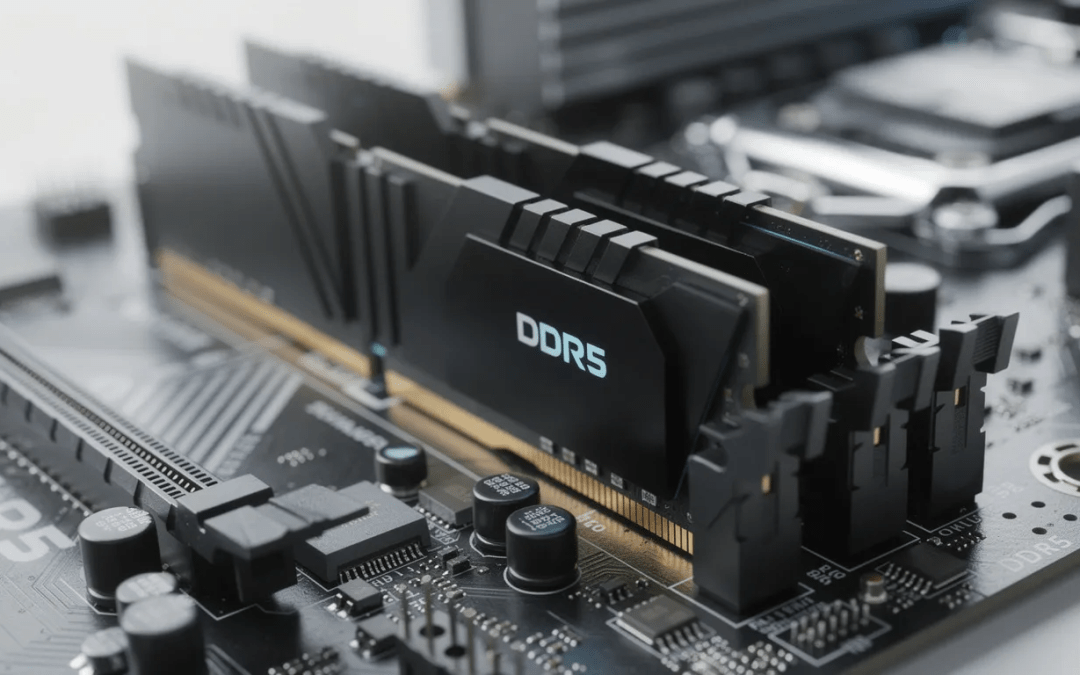
The DDR5 ram shortage has become one of the most significant hardware challenges facing PC builders, laptop buyers, and device manufacturers in years. Here’s what you need to know before diving into the details:
-
-
-
DDR5 RAM contract prices from Samsung and other manufacturers doubled between late 2025 and mid-2026, with some 64GB DDR5-6000 kits jumping from around $230 to over $600 at retail.
-
The main driver is AI data centers demanding massive amounts of high bandwidth memory and server DDR5, which diverts wafer capacity away from consumer DDR5, laptop LPDDR, and smartphone memory.
-
Analysts from SK Hynix and IDC expect constrained DRAM supply and elevated memory prices to persist into 2027–2028, meaning a quick return to the low prices of 2023 is unlikely.
-
If you need to build a system in 2026, consider targeting 32GB as your baseline and shopping pre-built systems that may still have older contract pricing. For non-essential upgrades, waiting may save you hundreds of dollars.
-
-
What Is Happening With DDR5 RAM Prices Right Now?
If you’ve priced out a new PC, laptop, or even looked at memory upgrades recently, you’ve likely experienced sticker shock. The memory market has shifted dramatically since early 2025, and DDR5 RAM sits at the center of this storm.
What started as gradual price increases has accelerated into a full-blown ram crisis. Consumers who were accustomed to falling dram prices and competitive deals now face a fundamentally different landscape. The days of grabbing a 32GB DDR5 kit for under $150 during a sale are effectively over for the foreseeable future.
Here’s a snapshot of how pc ram prices have shifted:
|
Configuration |
Early 2025 Price |
Late 2026 Price |
Change |
|---|---|---|---|
|
32GB DDR5-6000 (2x16GB) |
$120–$150 |
$350–$450 |
+150-200% |
|
64GB DDR5-6000 (2x32GB) |
$230–$280 |
$600–$750 |
+160-170% |
|
16GB DDR5 Laptop Module |
$60–$80 |
$150–$200 |
+150% |
Specific examples illustrate the velocity of these price rises:
-
Framework’s DDR5 laptop modules went from approximately $5–6 per GB in early 2025 to well over $10 per GB after repeated increases, with the company explicitly citing “extreme shortages and volatility” in their announcements.
-
Samsung reportedly raised DDR5 contract prices by roughly 100% to around $19.50 per 16Gb chip during 2025–2026, increases that filter directly through to OEMs and ultimately to consumers.
-
Tokyo’s Akihabara electronics district saw DDR5 module prices more than double, with retailers implementing purchase limits to prevent hoarding.
-
UK retailers quoted 64GB DDR5 kits at £419 (approximately $554 USD), with some configurations costing more than a PlayStation 5.
It’s worth noting that DDR4, LPDDR5X, and nand flash memory have also seen price increases. However, DDR5 desktop and server memory chips have experienced the steepest, fastest hikes due to their position at the intersection of consumer pcs and AI infrastructure demand.
How We Got Into a DDR5 RAM Shortage
The current global memory shortage isn’t simply a “PC builder problem.” It’s a structural realignment of the entire semiconductor memory industry, with ripple effects touching everything from gaming pc builds to mobile devices and enterprise storage.
Understanding how we arrived here requires looking at decisions made by memory manufacturers starting in 2024, when the AI boom fundamentally changed their production priorities.
The Role of AI in Driving DDR5 Demand
Modern AI workloads are extraordinarily memory-hungry. Training large language models and running inference at scale requires not just powerful GPUs but massive pools of specialized memory working alongside them.
Here’s what’s driving the demand imbalance:
-
AI accelerators require high bandwidth memory (HBM) for their primary compute tasks. HBM3E and emerging HBM4 chips require 3-5 times more wafer area per bit than standard DDR5 due to larger die sizes and complex stacking technologies using through-silicon vias.
-
Server DDR5 demand has exploded alongside HBM. AI servers require 5-10x more memory per unit than consumer pcs, with configurations often exceeding 512GB or even 1TB of DDR5 per node.
-
Hyperscale cloud providers like AWS, Microsoft, and Google signed multi-year, high-volume contracts for HBM and DDR5 RDIMMs. These strategic customers locked in production capacity and pricing, leaving less flexibility for consumer memory production.
-
Manufacturing capacity shifted dramatically. HBM production now claims up to 30-50% of advanced DRAM wafer starts at leading fabs, directly squeezing DDR5 output for consumer pcs that relies on the same 1α (10nm-class) and 1β (sub-10nm) process nodes.
The result is a situation where even if PC demand is weak, AI data centers keep memory fabs fully booked. The usual cyclical oversupply that historically pushed ram prices down simply isn’t materializing. Manufacturers have found higher margins in AI infrastructure and have little incentive to rapidly expand consumer DDR5 capacity.
Market Concentration and Supply Chain Fragility
DRAM is fundamentally an oligopoly. When three companies control the global supply, decisions by any one of them can move the entire market.
Consider the market structure:
-
Samsung Electronics, SK Hynix, and Micron Technology control more than 90% of global DRAM output, giving them strong pricing power during tight supply periods.
-
Building new manufacturing capacity is slow and expensive. A new DRAM fab or conversion to leading-edge DDR5/HBM production typically takes 2-3 years and costs $20-30 billion, limiting short-term flexibility.
-
Geopolitical factors add complexity. Export controls, regional incentives like the U.S. CHIPS Act, and Japan/Korea subsidies all influence where and how quickly new DRAM capacity appears.
The global memory shortage behaves more like a multi-year structural constraint than a short supply blip. TeamGroup’s general manager has warned that commodity memory supply will deteriorate further in Q1-Q2 2026 as distributor stockpiles deplete, with normalization not expected until 2027-2028 when new greenfield fabs come online.
Micron’s announced exit from consumer-branded memory products (Crucial RAM and SSDs) by early 2026 further tightens supply constraints and reduces competitive pressure in the retail channel.
Impact on PCs, Laptops, Consoles, and Smartphones
The DDR5 shortage doesn’t just affect DIY PC builders. Its knock on effects ripple through every category of computing device launching in 2026-2027, from gaming laptops to entry level smartphones.
Large PC OEMs including Lenovo, Dell, HP, ASUS, and Acer have warned of 15-20% bill-of-materials increases for systems using 16-32GB DDR5 and 1-2TB ssd storage. These higher prices inevitably flow through to retail.
The resulting trends are already visible:
-
More new laptops shipping with only 8GB RAM as the base configuration
-
Slower adoption of 32GB as a “standard” option
-
Fewer mid-range systems offering 64GB configurations
-
Consoles and handhelds using DDR5/DDR5X facing elevated production costs
-
The smartphone market freezing RAM capacities at 4-8GB on budget and mid-range Android devices
DIY PC Builders and Gamers
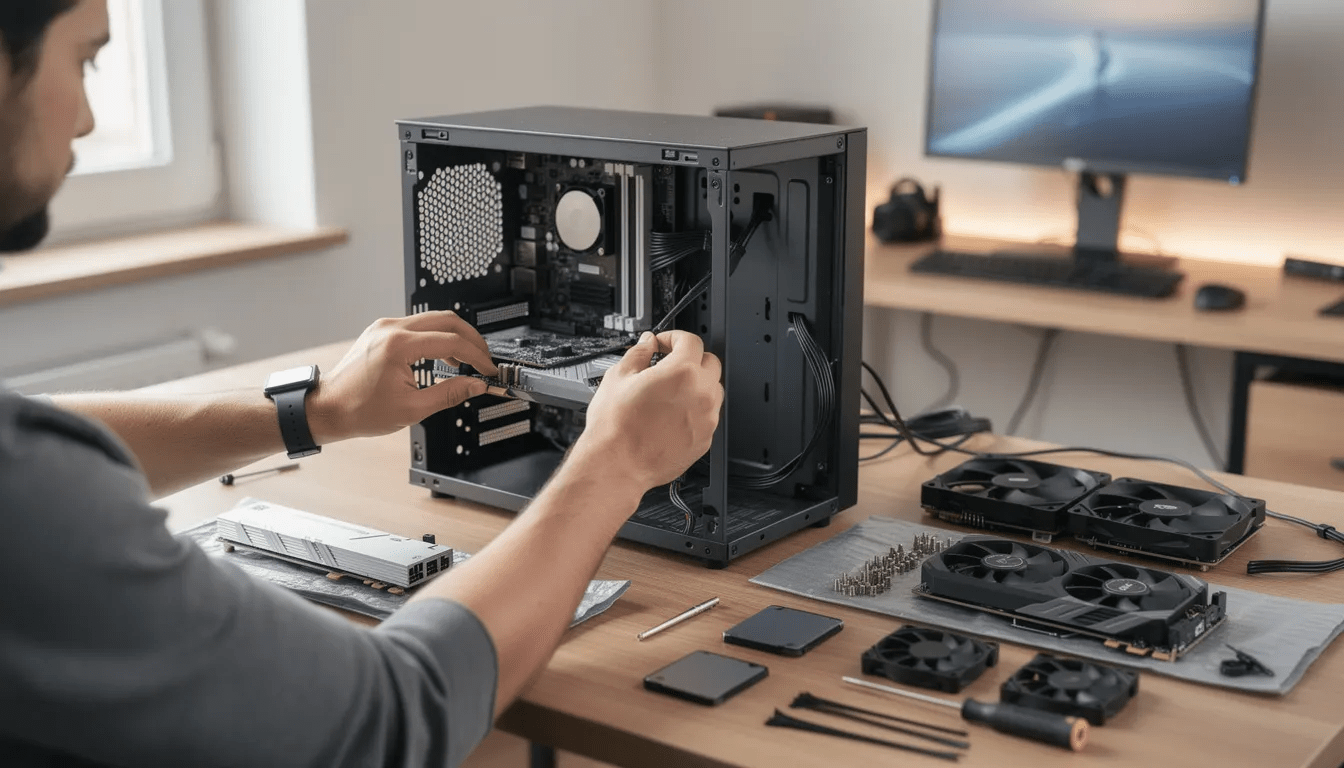
Here’s how the situation has evolved for pc gamers and enthusiasts:
|
Build Type |
Pre-Shortage RAM Budget |
Current RAM Budget |
Notes |
|---|---|---|---|
|
Budget Gaming |
$80–$100 (16GB) |
$160–$200 |
16GB now costs what 32GB used to |
|
Mid-Range |
$120–$180 (32GB) |
$350–$450 |
Sweet spot kits now premium-priced |
|
High-End |
$230–$350 (64GB) |
$600–$900+ |
Becoming “luxury” territory |
The 64GB and 96GB DDR5 kits that were once attainable for high-end builds have effectively become niche luxury components. This shrinks the audience for heavy multitasking systems and forces many builders to compromise.
Interestingly, CPUs, GPUs, and monitors are often cheaper or discounted relative to their launch prices. RAM and SSDs now make up an unusually large share of total build cost, sometimes exceeding 25-30% of a mid-range system budget.
A practical consideration: Pre-built gaming pc systems may still have cheaper RAM stock purchased under older contract prices. In 2026, it’s often more cost-effective to buy a pre-built and selectively upgrade other components than to source DDR5 at retail prices.
Content Creators and Professional Users
Video editing, 3D rendering, and data-heavy workloads scale strongly with RAM capacity. The shortage hits these users particularly hard.
Many 4K video and 3D workflows are most comfortable at 64GB or more ram. When that capacity becomes a $600-1000 line item instead of a $250-350 one, freelancers and studios face difficult decisions:
-
Delaying planned upgrades and extending the life of current systems
-
Reverting to DDR4 platforms with high capacity but older performance characteristics
-
Renting cloud workstations where memory cost is amortized across many users
-
Optimizing workflows to reduce RAM pressure without new hardware
Practical interim optimizations include using proxy media in video editors, batching renders overnight, and splitting large datasets into smaller working sets. These approaches don’t eliminate the need for more ram but can extend the useful life of existing systems.
For some studios, memory pricing has become a serious budgeting line that affects project bids and timelines through 2027.
Smartphones, Ultrabooks, and AI PCs
The same memory shortage creating scarcity for desktop DDR5 also affects LPDDR5X used in smartphones, ultrabooks, and the new category of “AI PCs” being marketed with local AI features.
Microsoft’s Copilot+ PC specifications require minimum 16GB RAM, with many AI features working best at 32GB. This collides directly with supply constraints:
-
IDC and TrendForce predict that more 2026 laptops will revert to 8GB RAM base configurations
-
16GB and 32GB configurations are moving upmarket as premium-priced options
-
Entry-level and mid-tier smartphones are being capped at 4-6GB RAM, reversing the trend toward 8GB+ in budget models
-
OEMs face trade-offs between raising retail prices, cutting RAM, or reducing other specs like storage and display quality
This may slow the rollout of “AI features for everyone.” Devices without sufficient RAM cannot run complex local models efficiently, limiting adoption of on-device generative AI tools.
Should You Buy DDR5 RAM Now or Wait?
There’s no perfect answer to this timing question. The right decision depends on your specific needs, workload requirements, and budget flexibility.
What we can say with confidence is that many analysts expect dram prices to remain elevated through at least 2027. Only gradual easing is expected once new fabs in the U.S., Japan, Korea, and the EU begin to improve supply at scale.
Price volatility adds complexity. Spot prices can spike or dip 10-20% in a single quarter, so waiting a few months may help or hurt depending on macro events and AI demand fluctuations.
A simple decision framework:
|
Situation |
Recommendation |
|---|---|
|
Must build/replace in next 6-12 months |
Buy at current prices, focus on 32GB |
|
Non-critical upgrade (32GB → 64GB) |
Wait if your workload allows |
|
Planning for 2027-2028 |
Track prices, consider waiting for capacity ramp |
|
Existing DDR4 system works fine |
Continue using, reassess in 2027 |
Track price history using tools like PCPartPicker, CamelCamelCamel, or alerts from major retailers. This helps identify whether current offers are near the top or bottom of recent ranges.
Short-Term Strategies (2025–2026)
For those who need a system soon while DDR5 remains expensive, here’s practical guidance:
Target practical RAM capacities:
-
16GB minimum for light gaming and office work
-
32GB for heavy gaming, streaming, and multitasking
-
64GB only if your workflow genuinely demands it today
Consider pre-built systems. Gaming PCs from system integrators may still have DDR5 purchased under older contract prices, making them cost-competitive or even cheaper than equivalent DIY builds.
Look at laptops with soldered but ample RAM. Systems shipping with 16-32GB LPDDR5X at competitive prices may offer better value than desktop builds if you act before contract renewals push OEM pricing higher.
For strictly gaming use, investing more in your graphics card and using cloud storage often delivers better immediate performance per dollar than overspending on RAM capacity. Most games still run well at 16-32GB.
Long-Term Outlook (2027 and Beyond)
Understanding the likely multi-year trajectory helps with planning major purchases:
Capacity expansion is underway but slow. Announced expansions include:
-
Micron’s new fabs in Japan and the U.S.
-
Samsung and SK Hynix investments in advanced DRAM lines
-
Most new production ramping closer to 2027-2028
Historical patterns suggest eventual relief. DRAM has always been cyclical. A plausible scenario involves supply finally overtaking demand, flipping the market back into oversupply and leading to steep price corrections similar to past cycles.
Users with flexible timelines benefit from patience. If you’re planning workstation overhauls for 2028, you may benefit from waiting for the next oversupply phase before committing to builds requiring 64GB or more.
Caveats remain. Even if prices fall, newer DDR generations (potentially DDR6) and more demanding AI workloads could keep “leading-edge” memory at a premium for high-end systems. The definition of “affordable” may shift rather than returning to 2023 lows.
How to Get the Most from the DDR5 RAM You Already Have
Before rushing to buy more ram at inflated prices, consider optimizing your existing system. Many users can stretch their current DDR4 or DDR5 configuration longer than they expect.
Enable memory profiles. Most DDR5 runs at conservative JEDEC default speeds out of the box. Enabling XMP (Intel) or EXPO (AMD) profiles in BIOS unlocks rated speeds and can deliver 10-20% better memory performance for free.
Practice basic OS-level memory hygiene:
-
Close background applications you’re not actively using
-
Trim startup programs to essentials
-
Use browser tab suspension extensions to reduce constant RAM pressure
-
Monitor memory usage with Task Manager or Resource Monitor
Apply workload-specific optimizations:
-
Use proxy media in video editing software
-
Lower texture quality or draw distance in games if RAM-limited
-
Reduce simultaneously open large documents or datasets
-
Consider scratch disks on fast NVMe storage for memory-intensive applications
Consider SSD upgrades as a mitigation. A fast NVMe drive can reduce paging bottlenecks and make 16-32GB systems feel more responsive under pressure, often at lower cost than additional RAM.
Technical Tuning Tips
For more advanced users comfortable with BIOS settings and system monitoring tools:
Balance frequency and timings. Aim for 5600-6400 MT/s with reasonable CAS latency (CL30-CL36) as a good performance/value compromise in current-generation DDR5.
Maintain proper channel configuration. Install RAM in matched pairs or quads to ensure dual-channel (or quad-channel on HEDT) operation. Check your motherboard’s QVL (Qualified Vendor List) for confirmed stable kits.
Consider modest overclocking. Enthusiasts can attempt incremental frequency increases and voltage adjustments:
-
Stay within manufacturer-recommended voltage limits (typically 1.1-1.35V for DDR5)
-
Stress-test thoroughly with tools like MemTest86 or OCCT
-
Monitor temperatures, especially if using aggressive timings
Leverage automated tuning. Some newer motherboards from ASUS, MSI, and Gigabyte offer automated memory optimization features that can yield measurable performance gains without manual intervention.
Planning New Builds and Upgrades During the DDR5 Shortage
f you’re building or upgrading in the 2025-2027 window, strategic planning can save you money and future-proof your investment.
Prioritize platform longevity. Choose motherboards and CPUs that support:
-
Higher maximum RAM capacity (64GB minimum, 128GB+ preferred)
-
Faster DDR5 speed specifications for future drops in prices
-
Four DIMM slots instead of two for better upgrade paths
Match capacity to use case:
|
Use Case |
Recommended Capacity |
Notes |
|---|---|---|
|
Office, web browsing, light gaming |
16GB |
Functional minimum for 2026 |
|
Modern AAA gaming, streaming |
32GB |
Sweet spot for most gamers |
|
4K video editing, large photo catalogs |
64GB+ |
Consider waiting if possible |
|
Professional workstation |
64-128GB |
May require platform upgrade |
Plan for upgradeability. Buy a 2×16GB kit now with free slots for another 2×16GB later. This approach spreads the cost and lets you benefit from potential future price drops.
Balance your system. Overspending on RAM at the expense of a capable GPU or CPU may not deliver the best real-world performance for most workloads. Allocate budget proportionally.
Example Build Priorities Under Current Prices
These are guiding priorities rather than fixed shopping lists. Adapt them to local pricing and availability.
Budget Build Approach (~$800-1000 total):
-
16-32GB DDR5-5600 (accept this as a significant line item)
-
Mid-range 6-core CPU (e.g., Ryzen 5 or Core i5 equivalent)
-
Stronger GPU relative to other components
-
Accept that RAM represents larger percentage of budget than historically normal
Mid-Range Strategy (~$1200-1500 total):
-
32GB DDR5-6000 as baseline
-
8-core CPU for longevity
-
Solid mid-range GPU
-
Ensure motherboard supports 64GB+ for later expansion
-
Consider 1TB SSD now, add storage later
High-End Approach (~$2000+ total):
-
Start with 32GB even if budget allows 64GB
-
Ensure motherboard and PSU support 64-128GB upgrades
-
Channel current funds into CPU, GPU, and quality storage
-
Wait for RAM price normalization before expanding
Check bundle deals. OEMs and system integrators may include RAM at older contract prices that undercut buying retail DIMMs separately. Pre-built systems deserve serious consideration in the current market.
FAQ
Will DDR5 RAM prices ever go back to “normal” levels?
Historically, DRAM has always been cyclical, with multi-year periods of shortage followed by oversupply and price crashes. As new fabs from Samsung, SK Hynix, Micron, and other future brands come online around 2027-2028, substantial price relief is expected. However, the “rock-bottom” prices seen for DDR5 in late 2023 may not fully return for cutting-edge modules, as manufacturers have become more disciplined about managing the supply and demand balance.
Is it worth buying DDR4 instead of DDR5 during the shortage?
DDR4 can offer good value for upgrading existing systems, but prices for DDR4 have also risen alongside the broader shortage. More importantly, new CPU generations from both Intel and AMD are increasingly DDR5-only. DDR4 is primarily sensible for upgrading an existing AM4 or older Intel platform rather than building a new system from scratch. Used DDR4 platforms like Ryzen 5000 series on AM4 have become popular budget alternatives.
How much RAM do I actually need for gaming in 2026-2027?
For most gamers, 16GB is the functional minimum for modern titles, though some games are beginning to use more. 32GB is the recommended target for smooth gaming combined with background tasks like Discord, browser tabs, and streaming software. More than 32GB is only necessary for heavy content creation, running virtual machines, or specialized professional workflows—not gaming alone.
Can software updates and AI features increase my RAM needs over time?
Yes. Operating systems, browsers, and games tend to grow more memory-hungry with each major update. Local AI features like chatbots, image generators, and on-device assistants can add several gigabytes to baseline RAM usage. This makes 32GB a safer medium-term target than 16GB for power users who plan to keep their systems for 3-4 years without upgrading memory.
Is cloud gaming or remote desktops a viable way to avoid expensive RAM upgrades?
Cloud gaming services like GeForce Now, Xbox Cloud Gaming, and similar platforms can be cost-effective alternatives during the shortage, especially for users with reliable, fast internet connections. Similarly, rented cloud workstations can handle memory-intensive creative workloads without requiring expensive local hardware. These approaches can delay the need for high-RAM local purchases by several years, though they introduce monthly subscription costs and depend on consistent connectivity.